
Challenges to Educating Women
Education is a fundamental human right that is crucial for personal and societal development. Despite this fact, there are still numerous challenges to educating women around the world. Gender inequality, poverty, cultural beliefs and practices, and conflict and displacement are just a few of the many obstacles that women and girls face in accessing education. In this article, we will explore some of the key challenges to educating women and what can be done to overcome them.
One of the most significant challenges to educating women is gender inequality. Women and girls are often denied access to education due to deeply ingrained cultural beliefs and practices that prioritize male education and discourage female education. In some communities, girls are seen as financial burdens who are meant to be married off at a young age, which further limits their access to education. Additionally, traditional gender roles that prioritize domestic work over education can prevent girls from attending school, even when it is available to them.
Poverty is another significant challenge to educating women. Families who live in poverty often struggle to afford the costs associated with sending their children to school, including tuition fees, transportation costs, and the cost of school supplies. When faced with these financial challenges, families often prioritize the education of boys over girls. Girls may also be forced to drop out of school to help their families with household chores or to work to support their families.
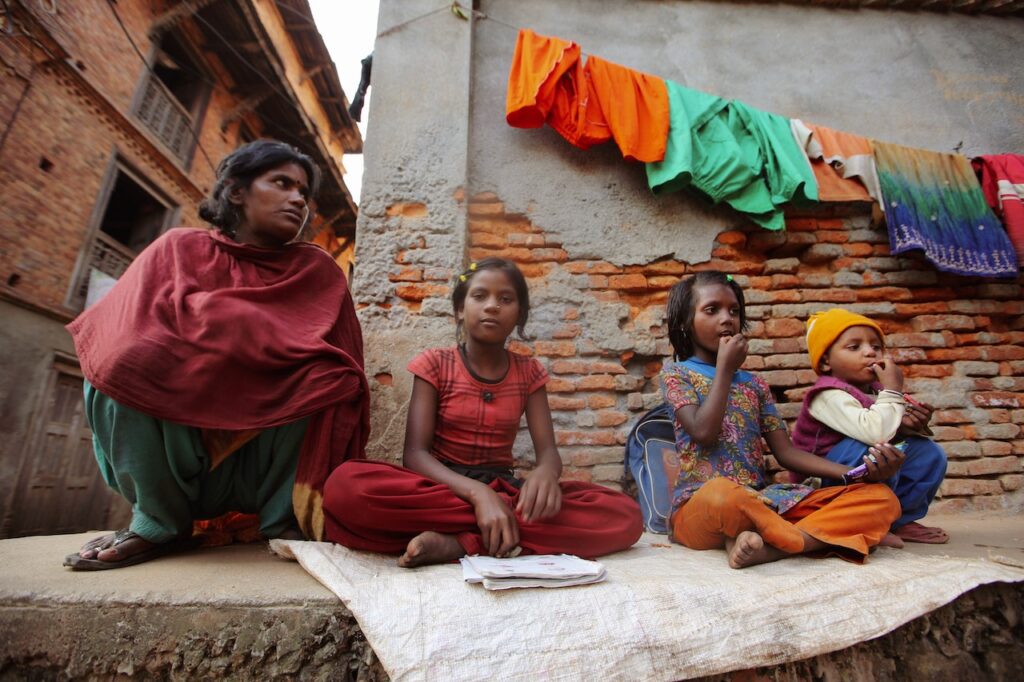
Cultural beliefs and practices can also play a significant role in limiting women’s access to education. In some communities, girls are seen as less valuable than boys, and their education is not prioritized. Some cultural practices, such as female genital mutilation or child marriage, can prevent girls from attending school or force them to drop out at a young age. Additionally, in some communities, girls are not allowed to attend school with boys or are required to adhere to strict dress codes or other restrictions that limit their access to education.
Conflict and displacement are also significant challenges to educating women. In areas affected by conflict or natural disasters, schools may be damaged or destroyed, and families may be forced to flee their homes. Displacement can lead to a disruption in education for both girls and boys, but girls are often disproportionately affected. In some cases, girls may be forced to marry or work to support their families rather than attend school.
So, what can be done to overcome these challenges and ensure that women and girls have access to education? One important step is to address the root causes of gender inequality and promote gender equality in all areas of life. This includes addressing cultural beliefs and practices that prioritize male education and limit female education. It also involves promoting policies and programs that prioritize the education of girls and women, such as scholarship programs and girls’ education initiatives.
Another important step is to address poverty and financial barriers to education. This may involve providing financial assistance to families who cannot afford to send their children to school, as well as providing resources such as transportation and school supplies. Additionally, governments and other organizations can work to create economic opportunities for women, which can help to alleviate poverty and provide families with the means to afford education.
Addressing conflict and displacement is also crucial for ensuring that women and girls have access to education. This may involve creating safe spaces for girls to attend school, even in areas affected by conflict or natural disasters. It may also involve providing resources and support to families who have been displaced, including access to education for their children.
In addition to the challenges discussed above, there are also several other obstacles to educating women that are worth exploring. One of these obstacles is the lack of access to quality education. Even when education is available to women and girls, it may not be of high quality or may not provide the skills and knowledge needed to succeed in the workforce. This can limit women’s opportunities for economic and social mobility, and can reinforce gender stereotypes that limit their potential.
Another challenge is the lack of female teachers and role models. In many communities, there are few female teachers or educational leaders, which can limit girls’ aspirations and reinforce gender stereotypes. Additionally, the lack of female role models in science, technology, engineering, and math (STEM) fields can discourage girls from pursuing careers in these areas, which can limit their economic opportunities.
Language barriers can also be a significant obstacle to educating women. In some communities, education is only available in a language that is not spoken by women and girls, which can limit their ability to learn and participate in school. Additionally, language barriers can limit women’s access to educational resources and opportunities, such as online courses and educational materials.
Addressing these challenges will require a multi-faceted approach that involves government policies, community engagement, and individual action. Governments and other organizations can work to provide access to high-quality education, including resources and support for teachers and educational leaders. They can also work to promote diversity and representation in education, such as through hiring more female teachers and promoting female role models in STEM fields.
Community engagement is also crucial for overcoming the obstacles to educating women. Families, community leaders, and religious leaders can work to promote the education of girls and women and challenge traditional gender roles and beliefs. They can also work to create safe spaces for girls to attend school and support programs that provide resources and support to families and girls who face financial or other barriers to education.
Finally, individual action is important for promoting education and gender equality. This can involve supporting organizations and programs that promote education for women and girls, volunteering as a teacher or mentor, or advocating for policies and programs that support gender equality in education.
In conclusion, educating women is crucial for personal and societal development, but there are many challenges that must be addressed to ensure that women and girls have access to education. From gender inequality to poverty, cultural beliefs and practices, conflict and displacement, lack of access to quality education, lack of female teachers and role models, and language barriers, there are numerous obstacles that must be overcome. By addressing these challenges and promoting policies and programs that prioritize the education of women and girls, we can create a more just, equitable, and sustainable future for all. It is important that we work together to overcome these challenges and ensure that every woman and girl has the opportunity to fulfill her potential and contribute to society.