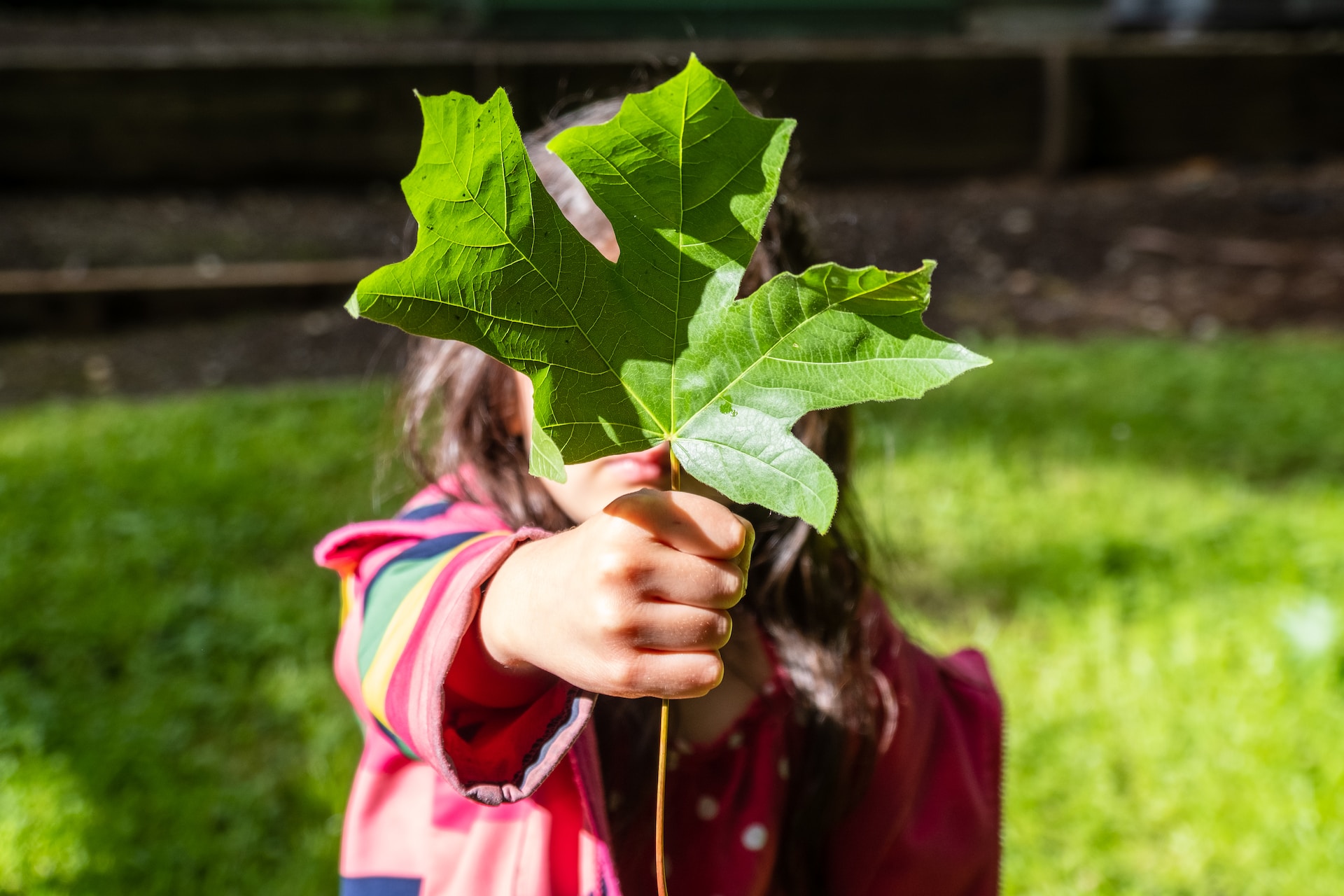
Education’s Impact on Environmental Policy and Advocacy
Education has a significant impact on environmental policy and advocacy. By providing people with the knowledge and skills they need to understand environmental issues, education can help to create a more informed and engaged citizenry. This, in turn, can lead to stronger support for environmental policies and greater participation in environmental advocacy.
There are a number of ways in which education can help to promote environmental protection. First, education can help to raise awareness of environmental issues. When people are more aware of the problems facing the environment, they are more likely to care about these issues and to support policies that address them. Second, education can help to develop people’s understanding of environmental science. This understanding can help people to make informed decisions about their own environmental impact and to support policies that are based on sound science. Third, education can help to develop people’s skills in environmental advocacy. These skills can help people to effectively communicate their concerns about the environment to policymakers and to the public.
There is a growing body of evidence that shows the positive impact of education on environmental policy and advocacy. For example, a study by the Pew Research Center found that Americans who have a college degree are more likely to support environmental protection than those who do not have a college degree. The study also found that Americans who have a college degree are more likely to be involved in environmental advocacy.
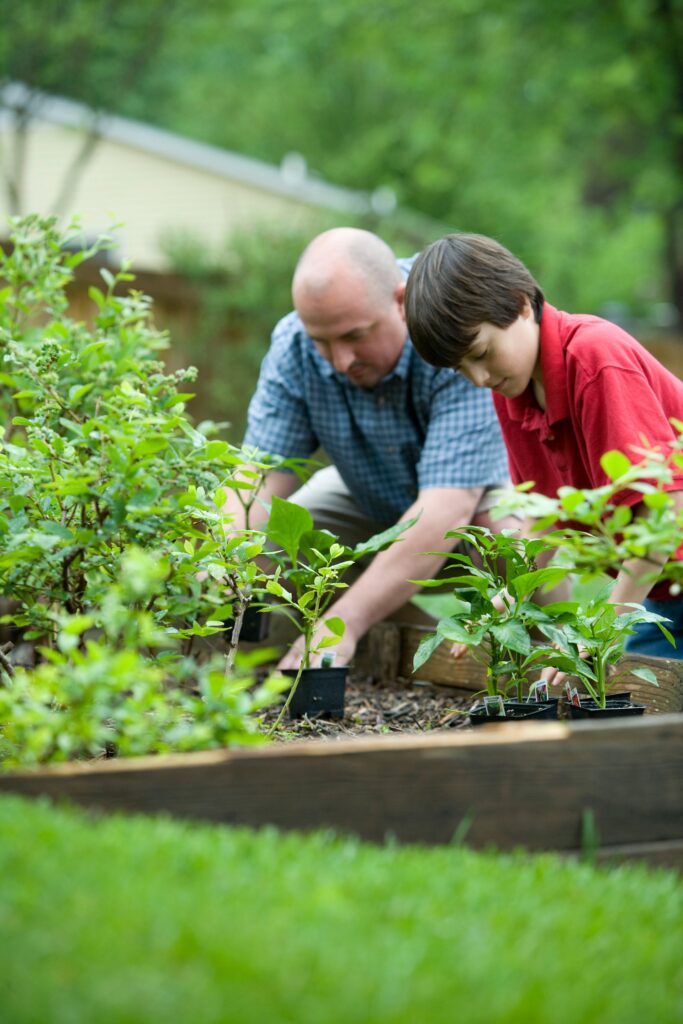
The impact of education on environmental policy and advocacy is not limited to the United States. A study by the United Nations Environment Programme found that education is a key factor in promoting environmental sustainability around the world. The study found that countries with higher levels of education tend to have better environmental records.
The evidence is clear that education has a positive impact on environmental policy and advocacy. By providing people with the knowledge, skills, and understanding they need to address environmental challenges, education can help to create a more sustainable future.
In addition to the direct impact of education on environmental policy and advocacy, there are also a number of indirect ways in which education can help to protect the environment. For example, education can help to create a more sustainable workforce. By teaching people about the importance of environmental protection and the skills they need to work in green jobs, education can help to create a more sustainable economy.
Education can also help to promote sustainable lifestyles. By teaching people about the environmental impact of their choices, education can help people to make more sustainable choices in their daily lives. For example, education can help people to reduce their energy consumption, waste, and water consumption.
Overall, education is a powerful tool that can be used to promote environmental protection. By providing people with the knowledge, skills, and understanding they need to address environmental challenges, education can help to create a more sustainable future.
Here are some specific examples of how education has been used to promote environmental protection:
In the United States, the Environmental Protection Agency (EPA) has a number of educational programs that are designed to raise awareness of environmental issues and to promote environmental protection. These programs include the Envirothon, which is a national environmental education competition for high school students, and the Energy Star program, which helps businesses and consumers save energy.
In the United Kingdom, the Department for Environment, Food and Rural Affairs (DEFRA) has a number of educational programs that are designed to teach children about the environment. These programs include the Green Flag Award, which is a national award for schools that demonstrate environmental excellence, and the GetOutside program, which encourages children to spend more time outdoors.
In India, the Ministry of Environment, Forest and Climate Change (MoEFCC) has a number of educational programs that are designed to raise awareness of environmental issues and to promote environmental protection. These programs include the National Green Corps, which is a youth volunteer program, and the National Biodiversity Strategy and Action Plan, which is a national plan for the conservation of biodiversity.
These are just a few examples of how education is being used to promote environmental protection around the world. By providing people with the knowledge, skills, and understanding they need to address environmental challenges, education can help to create a more sustainable future.